North Main Street has long been one of Cork's busiest and greyest thoroughfares. This spring, as part of Biodiversity Week, it gained ten new pollinator-friendly planters: a small but deliberate piece of green infrastructure added to the heart of the city.
The planters are one of the local outputs of GreenDense, the Interreg North-West Europe project running from 2024 to 2027, which is working with Cork and five other partner cities to test how urban centres can become greener, healthier and more resilient through nature-based solutions.
Choosing where to place the planters
In line with the GreenDense project's and Cork city council's commitment to co-creating new green spaces together with citizens, the locations weren't decided in isolation. North Main Street traders were consulted on where the planters should sit, so that they would improve the streetscape without compromising access for pedestrians, wheelchair users, prams or crossing points.
Installed on existing bollards and posts by Parks Department staff over a two-day period, each planter was filled with topsoil, peat-free compost and slow-releasing fertiliser before being planted with pollinator-friendly species by the wider community.
Planting day
On Wednesday 20 May, traders and volunteers gathered along North Main Street for a morning of community planting. All ten planters were filled with pollinator-friendly species in under two hours.
Rosemarie McDonald, Biodiversity Officer at Cork City Council, was among those there:
It was fantastic to see community members and council staff come together for a morning of planting along North Main Street as part of the North-West Europe GreenDense project. Collaboration like this helps create greener, healthier and more vibrant places for everyone. Hopefully, this is just the beginning of transforming North Main Street into a colourful and thriving green corridor.
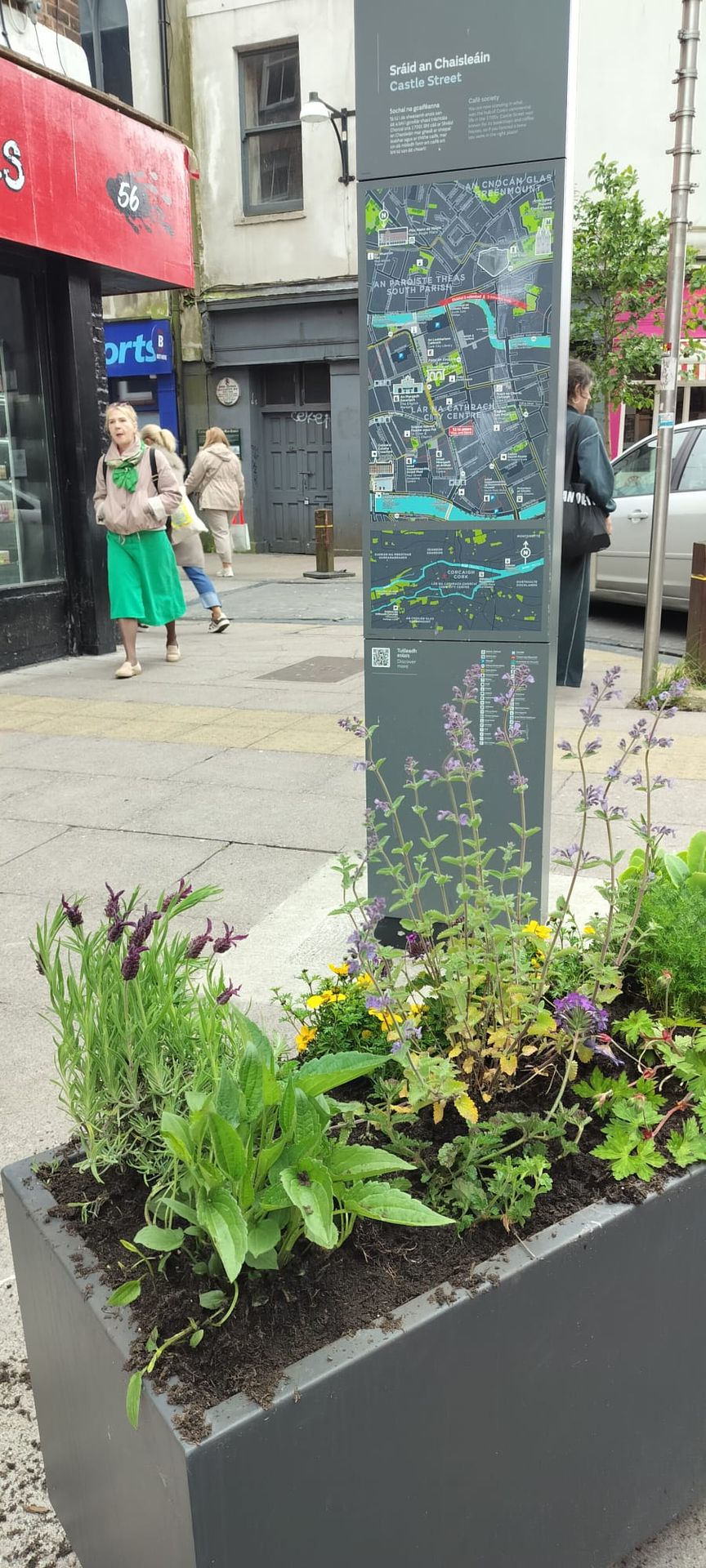
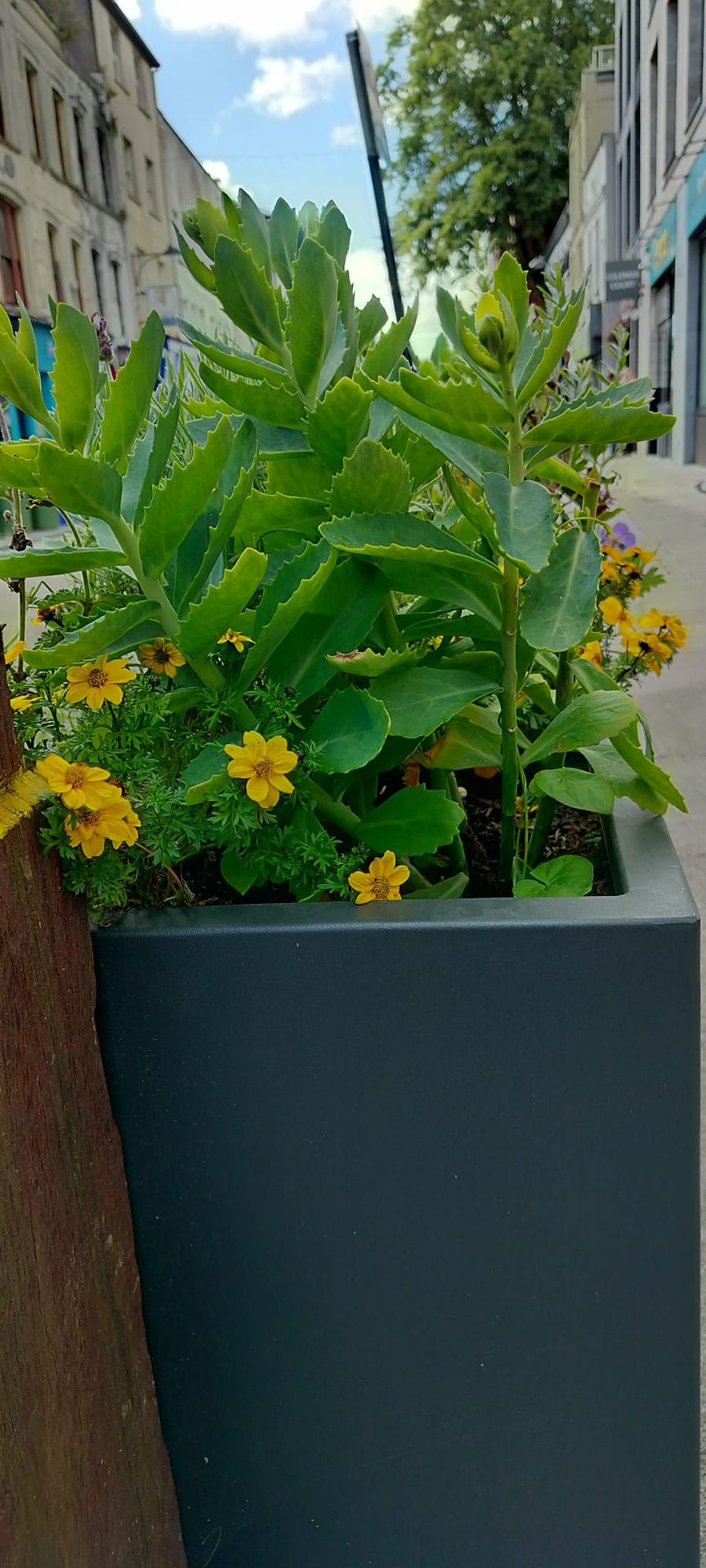
The work relied on several groups: the traders who helped select the planter locations, the community members who took part in the planting, and the Parks Department and maintenance crews who installed the planters and continue to maintain them through litter picking, weeding and watering.
Videographer Judie Russell documented the process from installation through to planting, and spoke with traders and residents about the impact of the new planters after they went in.
Monitoring biodiversity impacts
Through the summer, the team has been monitoring the invertebrates visiting the planters, to better understand the biodiversity benefits these small interventions bring to urban streets. So far, red-tailed bumblebees and honeybees have both been recorded along North Main Street.
See the transformation and impact it has had on the community for yourself in the below video!